
Six Months of Breakdowns
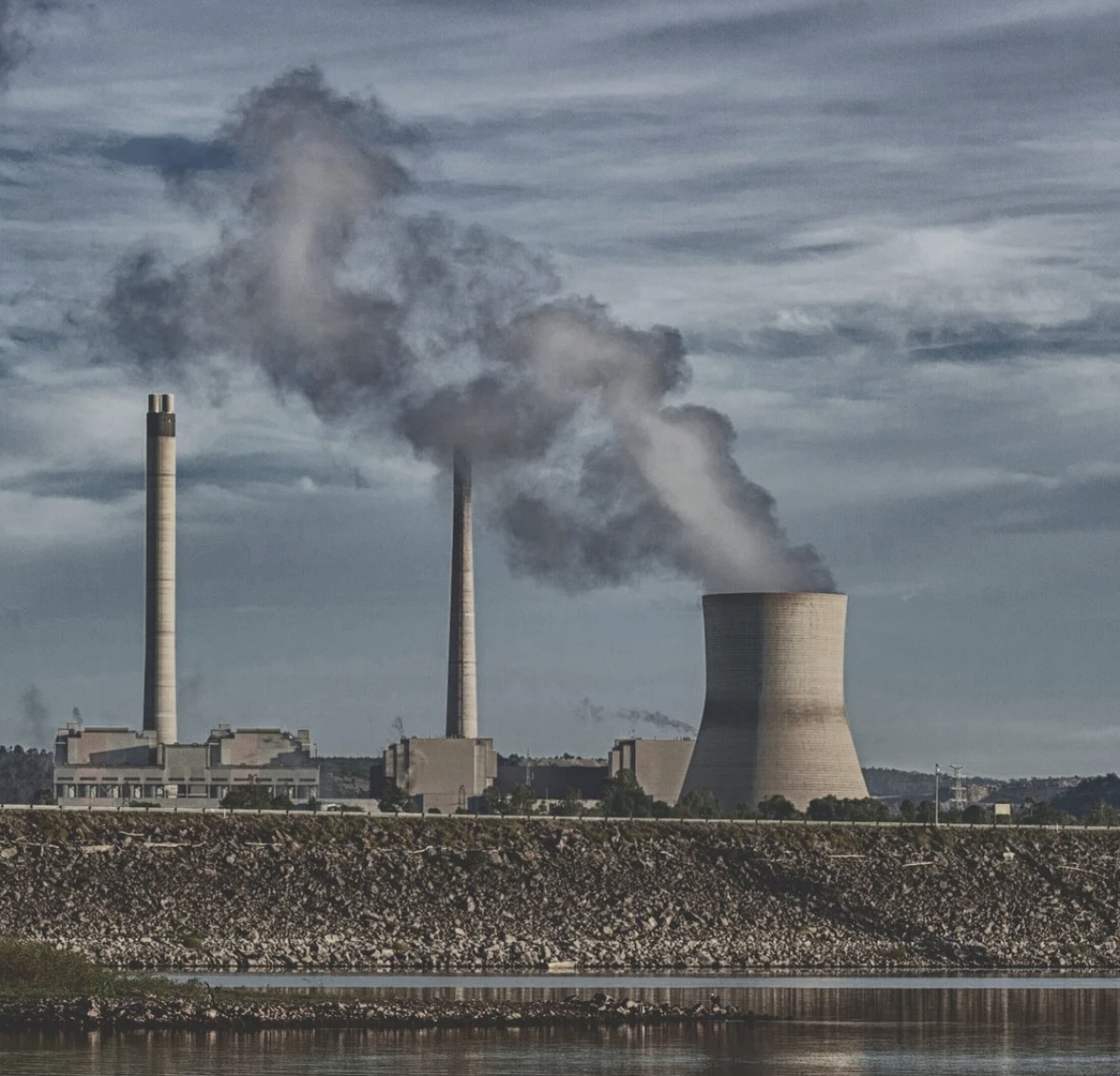
Australia’s coal-fired power stations are no longer providing the reliability or affordability governments continue to promise, and the evidence is becoming impossible to ignore.
New analysis of winter performance across the National Electricity Market (NEM) shows that coal power is increasingly unreliable, even during cooler months when electricity demand is typically lower and the grid is under less stress.
Between 1 April and 30 September 2025, more than a quarter of Queensland’s coal-fired generation capacity was offline on average. At an average of 26%, Queensland recorded the highest outage rate in the NEM despite having the youngest coal fleet in the country. While NS and Victoria recorded 22% and 16% respecitvely. This directly challenges claims that age alone explains coal’s growing unreliability.
Across the NEM, coal-fired power stations experienced 142 outages during the winter period. The vast majority, 119, were unplanned breakdowns, not scheduled maintenance. More than half of all outages occurred at just three power stations: Gladstone in Queensland, Bayswater in NSW and Yallourn in Victoria.
These same power stations sit at the centre of ongoing political debate over closure timelines. Their private owners have already acknowledged reality: Gladstone is slated to close by 2029, Yallourn by 2028, and Bayswater between 2030 and 2033. Yet state governments continue to hesitate, with rumours of extensions and energy plans that refuse to definitively plan for these closures.
Persistent, clustered breakdowns indicate these power stations are already operating beyond what their ageing systems can reliably sustain. Waiting longer does not reduce risk, it increases it. Governments that fail to plan now are setting communities and energy users up for avoidable disruption and higher costs later.
There is, however, a clear alternative emerging. Despite coal outages, wholesale electricity prices have remained relatively subdued in the first months of the 2025–26 financial year. While prices briefly spiked during June due to cold weather and high gas prices in southern states, increasing renewable energy generation has helped stabilise the market. The correlation is clear: when renewable output is high, wholesale prices are lower.
The new analysis from Reliability Watch reinforces a simple conclusion. Coal-fired power stations are no longer capable of delivering reliable, affordable electricity, even under favourable conditions. Clean energy is not just a climate solution; it is increasingly the backbone of grid stability and price control.
Governments now face a choice: continue pretending coal can limp on indefinitely, or plan decisively for its replacement with modern, clean energy that better serves communities, workers and electricity users.